







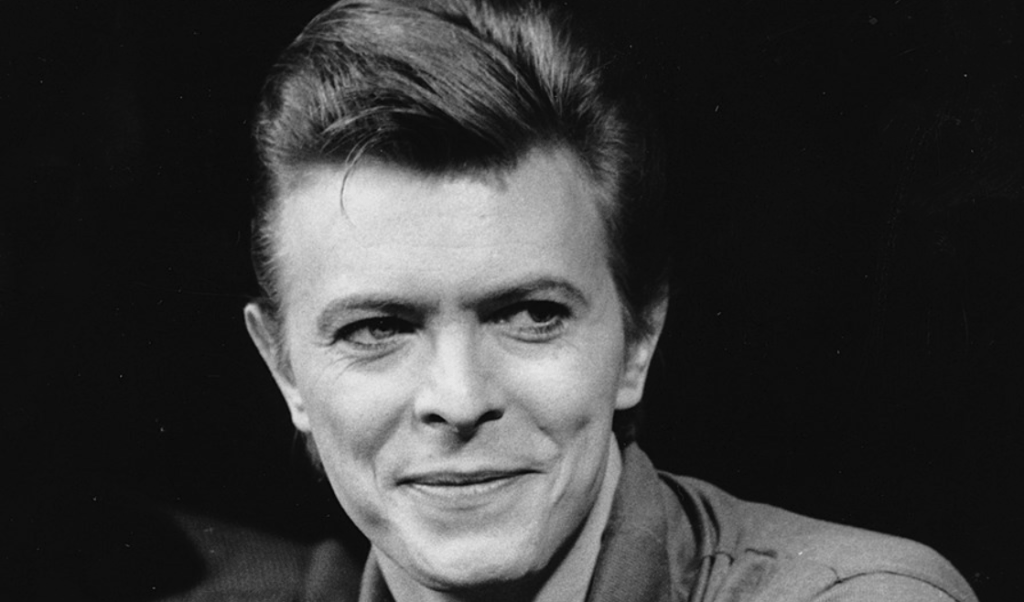
So, I picked a day and listened through David Bowie’s entire career in one go, and now I feel a bit sad, and there’s a lot to say about it. He is, without a doubt, an icon. This icon stares at you from yet another album cover or photograph, and you meet his gaze in return. A strange feeling comes over you, one that won’t go away. The sensation is almost as if a “soul” in a human shell is looking back at you, at once distant and bemused by the body it inhabits. It often feels like Bowie himself regarded his own oddball face and eccentric body with the same detached wonder, chuckling quietly at the spectacle. That may be pure fantasy, but I wouldn’t be surprised if it was always a part of his character. I tend to be eerily accurate when it comes to reading people’s psychology. Unlike Paul McCartney or Freddie Mercury, who greet you with the fullness of their being, inside and out, Bowie communicates through just two channels: the eyes and the voice. Both transmit a deeply personal world, an individuality, or perhaps even an individualism, that has infused his music from the very beginning.
Even without knowing much of his biography (as is my case), you can tell from his output that Bowie must have absorbed all the right music in his formative years. If you were to pull a handful of his favorite songs, I’m confident at least a couple would come from that early period when his musical identity was taking shape. These are the kinds of songs you fall in love with once and forever. You don’t replay them endlessly, you remember them, from the first note to the last, because you once played them a hundred times on some battered acoustic guitar retrieved from a forgotten attic. This is Bowie’s musical inoculation, and without that, musicians of his kind simply don’t exist.
I don’t feel the need to retell Bowie’s life story here. What matters is his value, not measured by a single song, but through the weight of his contribution to culture itself. He created models of musical greatness, especially within the form of the song. His icon is painted with the hues of his melodies. And melody and rhythm, those two key aspects of songwriting, emerge in his work with a clarity that only a rare few achieve, the ones who move millions.
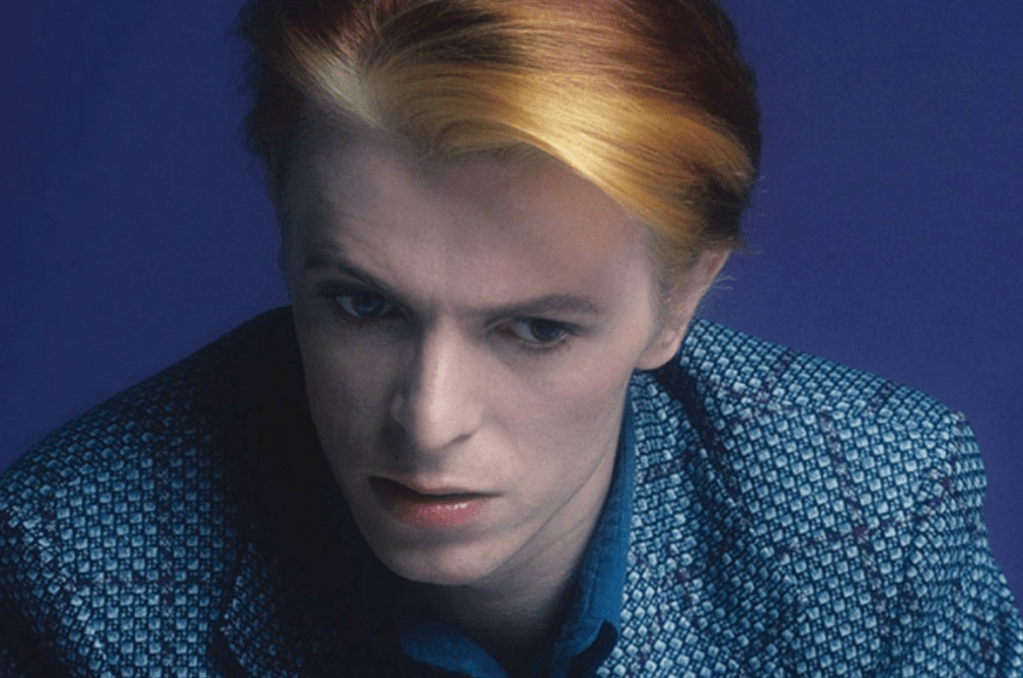
He loved music, understood it intimately, took pleasure in it, and knew that, more often than not, his judgement was closer to absolute truth than anyone else’s. How could a man like that care about criticism? He was his own critic; all others were either amateurs or afflicted by bad taste, and as the saying goes, the crooked are never straightened. Each of his tracks carries the same confidence in his craft, the same love of music. Even in material that might feel minor to a seasoned listener, the love is so overwhelming that it leaves no space for critique. You either accept it and allow it to flow through you, or you walk past as though you were never there. His river of music would keep flowing regardless, sweeping away the dreamers, the nostalgics, the neo-romantics, who wait, patiently, for those rare but breathtaking landscapes that appear in its current.
Despite the pull of his contemporaries, Bowie always found his own tonalities, his own harmonic quirks that made his originality obvious. That relentless pursuit of originality was his signature trait. And rightly so, if you can’t do something your own way, something no one else has imagined, then perhaps you shouldn’t do it at all. But if you can, you’ll earn the respect of those truly listening. Bowie understood this as well as anyone: without it, you don’t become an icon. With that early inoculation in musicality, the drive for individuality only sharpened his artistry. And Bowie evolved. Hunky Dory alone speaks volumes, something the Floyds of that era couldn’t even dream of. If the first four tracks don’t give you physical pleasure, I honestly pity you. Then came the brilliance of Ziggy, the richness of Young Americans with its unforgettable ‘Who Can I Be Now?’, and Heroes with its stacked array of gems. Yet for all that, his music is not always instantly recognizable. His voice, yes, no one else sang with such intonation, such depth, such strain. But the sound of the music often carried a varnish of professional polish, the kind that can slip into ordinariness until Bowie’s vocals and his sharp sense of rhythm transformed it into something unmistakably his.
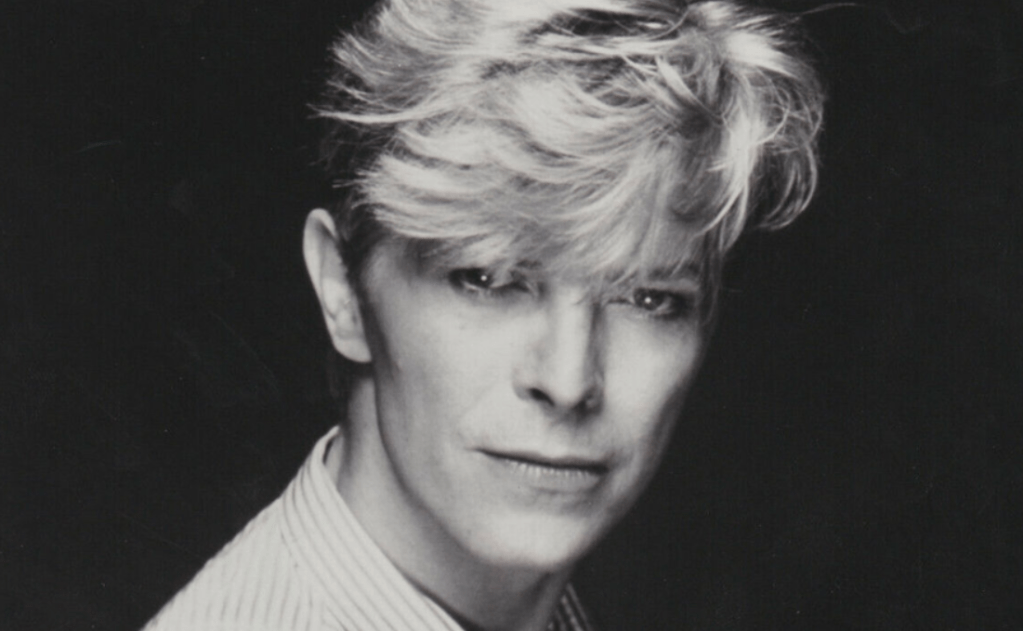
He was always 15 years ahead of his time or perhaps he was simply writing the future. Out of his influence came entire generations, like Suede, who lifted British pop rock to new heights before burning out in barely a decade. Bowie, by contrast, rolled on like a tank for decades, leaving behind dozens of extraordinary songs. He avoided monotony by embracing diversity, songs that range from dirges whispered against the rain, to Eastern scales, to reggae experiments. And he pulled it all off. His music was never just pleasing to listen to, it was interesting.
The nineties saw him recede into shadow, likely from exhaustion both personal and musical. But toward the end of that decade, he began climbing back, step by step, until his final ascent culminated in a world-shaking event: January 8, 2016, the release of Blackstar. At its heart are two tracks ‘Blackstar’ and ‘Lazarus.’ In the face of infinity, in the arms of death, what can one truly keep wealth, possessions? Before the black star, man is an astronaut adrift, terrified, powerless. Hope extinguished, save for a flicker of faith in Lazarus, a resurrection on some unknowable day, in some unknown form, in some strange, far-off place. That glimmer remains, like the hope of a dying man for a single drop of dew.
No one could have expressed this with Bowie’s depth. No one else could have made us feel it. And for that, we owe him. Perhaps the truest tribute is not words at all, but time shared with family, telling those we love our partners, our parents, that we love them, and will keep loving them, even in the cold reaches of the cosmos, under the terrifying light of a distant black star, when nothing remains but faith.
 Bisquiet: Gaming, Music, Celebrities, Reviews, and Entertainment News.